
Nick Goold
USD/JPY has been falling recently as the yen has strengthened. This week’s Bank of Japan meeting could be important in deciding where USD/JPY moves next.
The BoJ is widely expected to raise interest rates by 0.25 percentage points, from 1.00% to 1.25%, at its September 17–18 meeting. The meeting starts on Thursday, with the policy decision and statement due on Friday, September 18, followed by BoJ Governor Kazuo Ueda’s press conference at 3:30 p.m. Japan time.
Because markets already expect a rate hike, the decision itself may not cause a large move in USD/JPY. Instead, traders are likely to focus closely on what Ueda says at the press conference. The key question will be when the BoJ could raise interest rates again. What Ueda says about future rate hikes could be more important for USD/JPY than this week’s expected increase.
Why is the BoJ raising interest rates?
Japan spent many years with interest rates close to zero, and for a period rates were even negative, as inflation remained generally weak. That environment has changed, with inflation becoming more persistent, wages rising and Japan’s labour market remaining tight. The weak yen has also made imported goods, energy and food more expensive, adding to inflationary pressure.
Raising interest rates can help control inflation and may also support a stronger yen, which could reduce the cost of imports. This gives the BoJ more reason to gradually move rates higher.
Higher Japanese interest rates can also make the yen more attractive to investors. For many years, Japan’s very low rates made the yen popular for the carry trade, where investors borrow cheaply in yen and invest in currencies and assets offering higher returns. As Japanese rates rise, the difference between rates in Japan and other countries becomes smaller, making this trade less attractive.
This could increase demand for the yen and support further yen strength. For USD/JPY, further BoJ rate hikes could therefore put additional downward pressure on the currency pair.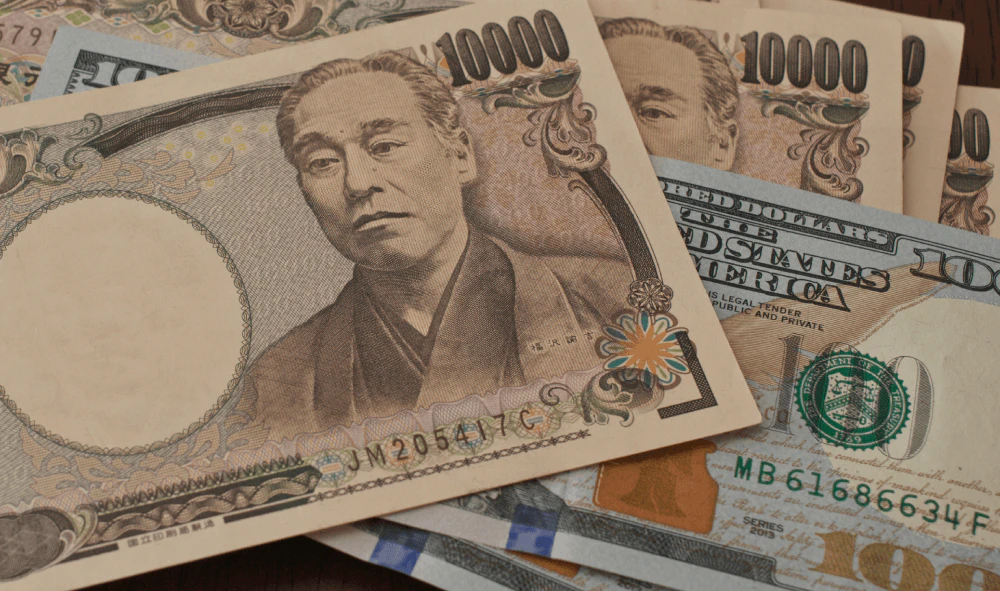
Why has the yen strengthened so quickly?
USD/JPY has already made a large move. Around two weeks ago, the pair was trading close to 160, before falling toward 153 last week. From its recent high around 164, the fall has been even bigger.
Several factors have helped strengthen the yen. Japan has already intervened in the currency market this year, while more recent action has also involved cooperation with the U.S. Treasury.
Comments from U.S. Treasury Secretary Scott Bessent have also helped push USD/JPY lower. After speaking with BoJ Governor Ueda, Bessent said the yen could strengthen further as Japan raises interest rates. His comments are important because the U.S. Treasury is in close contact with Japanese officials and may have a good understanding of what the BoJ is likely to do next.
USD/JPY has since recovered toward 154.50, suggesting some traders may think the yen strengthened too quickly. Government intervention can move the market, but it cannot control the direction of the yen forever.
The key question ahead of Friday is how much of the expected rate hike and further BoJ tightening is already priced into the yen.
A 1.25% rate is widely expected
Markets expect the BoJ to raise interest rates from 1.00% to 1.25%. A rate hike would normally support the yen, but traders have been expecting this move for some time. This means much of the expected increase may already be reflected in USD/JPY.
The main focus will therefore be on what comes next. Traders will watch Governor Ueda’s comments, the BoJ’s view on inflation and, most importantly, whether another rate hike could come soon.
There are three main scenarios for Friday.
1. A hawkish BoJ: The BoJ raises rates to 1.25% and suggests another increase could come soon. This would likely support the yen and could push USD/JPY lower.
2. A cautious BoJ: The BoJ raises rates as expected but gives few clues about when rates could rise again. If Ueda says future decisions will depend on inflation, wages and the economy, the yen may struggle to strengthen further.
3. A dovish BoJ: The BoJ raises rates but suggests it is in no hurry to raise them again. Concerns about consumer spending, economic growth or higher borrowing costs could make the BoJ more careful. This could weaken the yen and push USD/JPY higher.
How high can Japanese interest rates go?
Markets are already looking beyond this week’s BoJ meeting. Current expectations suggest Japanese interest rates could eventually rise toward 1.75%–2.00% by July 2027, which would be a big change after many years of very low rates.
However, the BoJ cannot raise rates too quickly. Higher rates make loans more expensive for households and businesses, which can reduce spending and slow the economy. Higher rates also increase the cost of Japan’s large government debt.
The BoJ therefore needs to find a balance between controlling inflation and supporting the economy. This is why what Governor Ueda says about future rate hikes could be more important for USD/JPY than Friday’s expected increase.
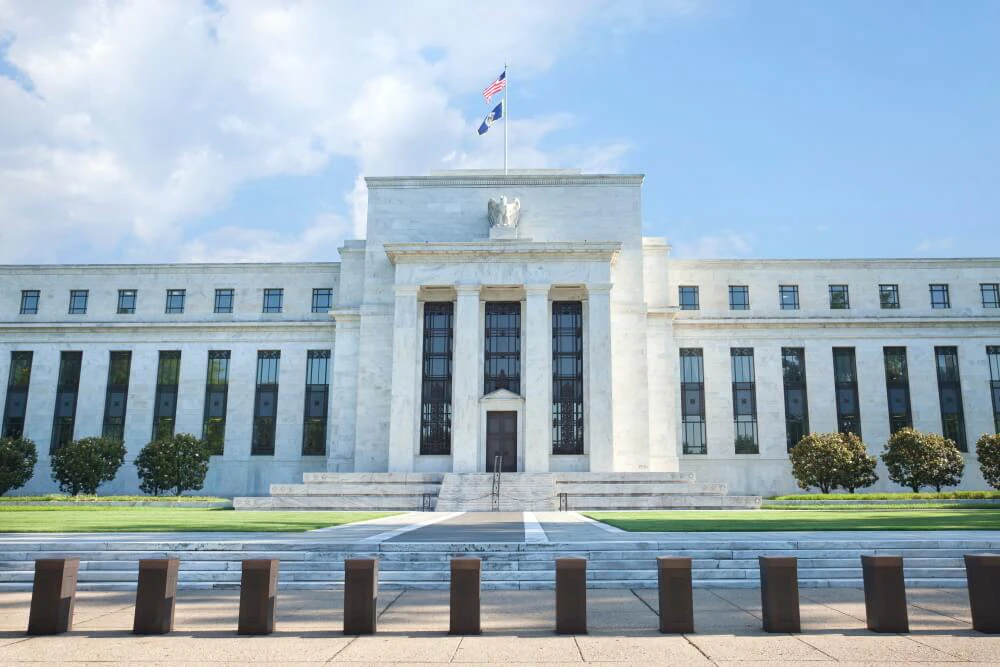
The Fed also matters for USD/JPY
The Federal Reserve meets before the BoJ this week, and its decision could also have a big impact on USD/JPY.
The Fed is expected to raise interest rates as U.S. inflation remains high. WTI crude oil rising above $100 has added to these concerns, as higher energy prices can push inflation higher.
This means USD/JPY will be affected by interest-rate expectations in both countries. If U.S. rates are expected to rise faster than Japanese rates, USD/JPY could move higher. If markets expect more rate hikes from the BoJ, the yen could strengthen and USD/JPY could move lower. The key will be which central bank is expected to raise rates more, and how quickly.
USD/JPY Trading Scenarios for the BoJ Meeting
The 155 level could be important this week. USD/JPY has recovered to around 154.50 after falling close to 153. The BoJ meeting could decide whether USD/JPY continues to fall or starts moving higher again.
If the BoJ raises rates but is careful about future rate hikes, USD/JPY could move above 155. However, if Governor Ueda says more rate hikes are likely, the yen could strengthen and USD/JPY could fall back toward 153. A break below 153 could open the way for a move toward 150.
Prices can move very quickly after a BoJ announcement, so short-term traders may prefer to wait and see which direction the market moves rather than trying to predict the first reaction.
One-minute and five-minute charts can be useful for watching the market after the announcement. The first move may not last, as traders first react to the rate decision and then to the BoJ statement and Governor Ueda’s press conference.
The main levels to watch are 155 above and 153 below. If USD/JPY breaks below 153, 150 could be the next important level.
The BoJ Could Set the Direction for USD/JPY
Friday’s BoJ meeting could dictate the short- and medium-term direction of USD/JPY. With the rate hike already widely expected, the biggest reaction may come from what Governor Ueda says about the timing of further increases.
Traders should understand the main scenarios beforehand and watch key levels around 155, 153 and 150. Rather than trying to predict the initial move, watch how the market reacts to the BoJ’s message and whether a clear trend develops.
Understand the expectations, prepare for different outcomes, and be ready to take advantage of the opportunities that Friday’s volatility may create.