Nick Goold
A new Federal Reserve Chair is a major event for FX and CFD traders because Fed policy affects the U.S. dollar, gold, stock indices, bond yields, commodities, and market sentiment.
In May 2026, Kevin Warsh replaced Jerome Powell as Fed Chair. Powell’s time at the Fed was shaped by high inflation, sharp rate hikes, and repeated criticism from President Trump, who wanted lower interest rates.
Now markets want to know whether Warsh will stay independent or move closer to Trump’s preference for lower rates and faster growth. With inflation still a concern, traders will be watching his first FOMC meeting closely.
Why This Matters for Traders
The Federal Reserve is the central bank of the United States. Its job is to help keep inflation under control while supporting employment and financial stability. When the Fed changes interest rates, it can quickly change how traders view the U.S. economy and the U.S. dollar.
If rates are expected to stay high, the dollar may strengthen, while gold and stocks may come under pressure. If rates are expected to fall, the dollar may weaken, while gold and stock indices may rise. This is why a change in Fed leadership is a major event for FX and CFD traders.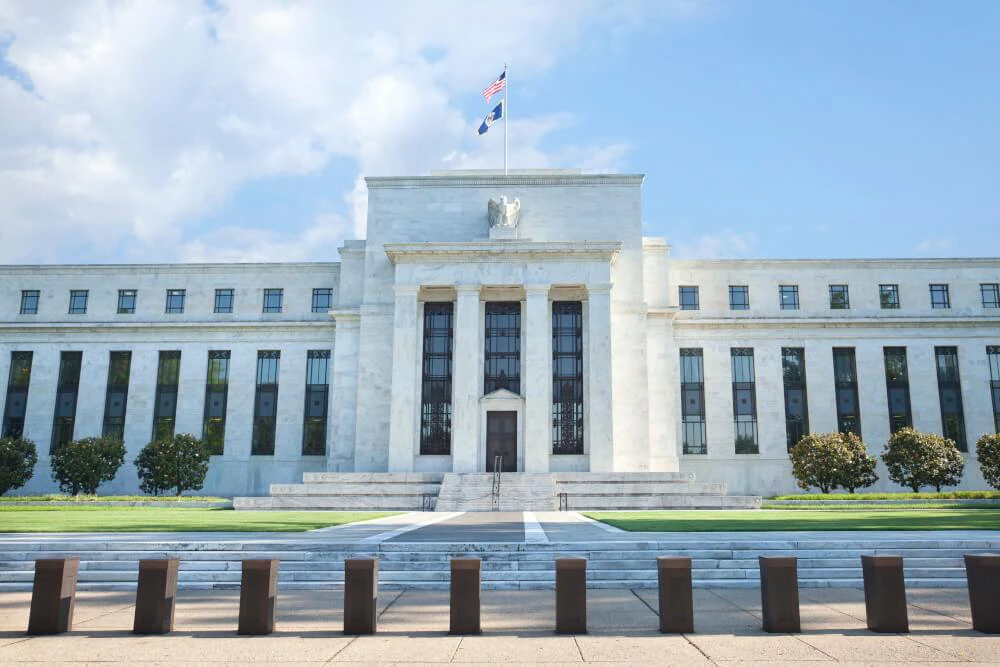
What Happened?
Kevin Warsh replaced Jerome Powell as Fed Chair. Powell’s time as Chair included high inflation, sharp rate hikes, and strong criticism from President Trump, who wanted lower interest rates.
Now markets want to know whether Warsh will stay independent or support Trump’s push for lower rates. This matters because inflation is still a concern, and traders are watching closely for any signs about future Fed policy.
Who Is Kevin Warsh?
Kevin Warsh is experienced, not an outsider. He served as a Fed Governor from 2006 to 2011 and has a strong background in finance and markets.
Markets see him as credible, but not fully predictable. He has often been viewed as hawkish on inflation, but traders are watching whether he may support lower rates if the economy weakens. That uncertainty makes his first Fed meeting important.
Why Trump and Fed Independence Matter
President Trump wants lower interest rates because they can support growth, make borrowing cheaper, and help asset prices rise. But if rates are cut too soon while inflation is still high, prices may rise again. This could weaken the U.S. dollar, push gold higher, and hurt confidence in the Fed.
That is why traders care about Warsh’s independence. Markets do not only want to know if rates will fall. They want to know why. If rate cuts are based on economic data, markets may stay calmer. If traders think cuts are caused by political pressure, USD pairs, gold, stocks, and bond markets could become more volatile.
Warsh’s First Big Test
Warsh’s first major FOMC meeting as Chair is scheduled for June 16–17, 2026. Traders will watch whether rates stay unchanged, how he talks about inflation, and whether he sounds open to future rate cuts.
The Fed Chair is powerful, but he does not decide alone. Rate decisions are made by the FOMC, which includes other Fed officials. If Warsh sounds dovish but other members sound hawkish, markets may swing sharply in both directions. This can create trading opportunities, but it also increases risk.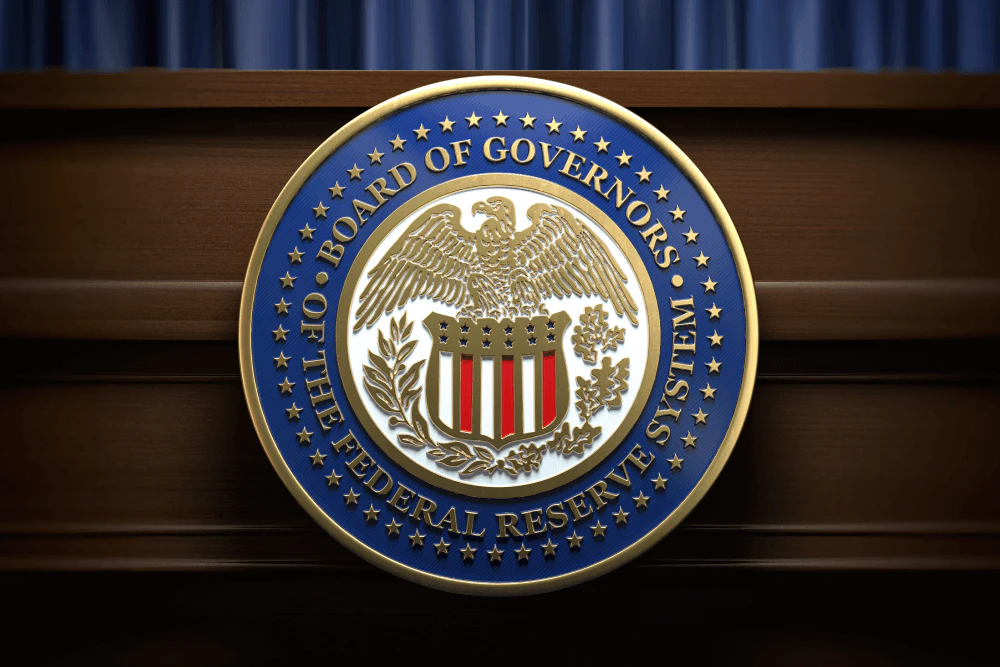
Warsh’s Possible Policy Style
Warsh may bring a different communication style to the Fed. He has criticized parts of the Powell-era Fed and may want to change how the central bank explains its thinking to markets.
One possible change is less forward guidance. Forward guidance means the Fed gives hints about what it may do in the future. Traders use these hints to price currencies, gold, bonds, and stock indices.
If Warsh gives less guidance, markets may become more sensitive to economic data. That means reports such as CPI, PPI, Nonfarm Payrolls, retail sales, and Fed speeches could create sharper moves than usual.
FX Market Impact and Trading Strategy
FX markets react quickly to changes in interest rate expectations. If Warsh sounds dovish, traders may expect lower U.S. rates, which could weaken the dollar. If he sounds hawkish and independent, traders may expect rates to stay higher for longer, which could support the dollar.
Key pairs to watch include EUR/USD, GBP/USD, USD/JPY, and AUD/USD. EUR/USD and GBP/USD may rise if the dollar weakens, while USD/JPY may fall if U.S. yields drop. AUD/USD may benefit if lower U.S. rates improve risk sentiment.
For traders, the key is to watch the dollar’s reaction, not just Warsh’s words. If he sounds dovish but the dollar does not fall, rate cuts may already be priced in. Traders should also watch U.S. Treasury yields, especially the 2-year yield, because it often reflects Fed rate expectations.
Gold Market Impact and Trading Strategy
Gold could be one of the clearest markets to watch. It often rises when the dollar weakens, real yields fall, inflation worries increase, or confidence in central banks declines.
If Warsh cuts rates too early or appears to follow political pressure, gold could rise strongly. If he sounds hawkish and focused on inflation, gold may come under pressure.
For gold traders, the key question is why rates are falling. Rate cuts based on cooler inflation may support gold slowly. Rate cuts linked to political pressure could create a much stronger move. Traders should watch the dollar, real yields, and major support and resistance levels, while avoiding chasing sudden spikes after Fed headlines.
Stock Index Market Impact and Trading Strategy
Stock indices often benefit from lower interest rates because cheaper borrowing can support company valuations, especially for growth and technology stocks. A dovish Warsh could support CFDs on the S&P 500, Nasdaq, and Dow.
However, if lower rates look politically forced, stocks may rally at first but become unstable later. Traders may start worrying about inflation, bond yields, and Fed credibility.
For index CFD traders, the first reaction may not be the final reaction. A rally is more reliable if Treasury yields stay calm. If stocks rise but long-term yields also jump, traders should be careful because markets may be pricing in inflation risk.
What Traders Should Watch Next
Kevin Warsh’s appointment marks the start of a new period for global markets. For FX and CFD traders, the key issue is not only whether interest rates rise or fall. The key issue is whether markets believe the Fed is still independent and credible.
If Warsh sounds cautious and data-driven, markets may react in a more stable way. The dollar may stay supported, gold may be more balanced, and traders may focus mainly on economic data. But if Warsh appears too close to Trump’s push for lower rates, the dollar may weaken, gold may rise, and volatility could increase across FX and CFD markets.
The first major test comes at the June 16–17 FOMC meeting. Traders should prepare for several scenarios, keep leverage under control, and focus on how markets react to Warsh’s first policy signals. The best traders will not simply guess the outcome. They will watch the data, read the market reaction, and manage risk carefully.