
Nick Goold
As summer ends, markets may become more active again as traders and investors return. For the rest of 2026, the bigger stories are likely to matter more than the usual seasonal patterns.
The main themes are U.S. inflation, Federal Reserve policy, further Bank of Japan rate hikes, worries about U.S. debt, the Iran conflict, oil prices, and high AI valuations. These are important because they are connected. For example, higher oil prices can push inflation up, higher inflation can keep interest rates high, and higher rates can then affect currencies, bonds, stocks and gold.
The goal is not to predict exactly what will happen. It is to understand the main story in each market and then watch whether that story is becoming stronger or weaker.
U.S. Inflation and the Federal Reserve
U.S. inflation is still above the Federal Reserve’s 2% target, while some parts of the economy are starting to slow. This puts the Fed in a difficult position because high inflation argues for keeping rates high, while weaker growth would normally support lower rates.
For traders, this means every important inflation and jobs report can change expectations for the next Fed decision. A strong jobs report or higher inflation could increase expectations of another rate rise, while weaker data could reduce that risk.
The possible market impact:
- Higher U.S. rates can support the dollar and USDJPY.
- Higher rates can pressure the Dow because borrowing becomes more expensive.
- Higher rates can also pressure gold because gold does not pay interest.

The Bank of Japan and the Yen
Japan is moving away from years of very low interest rates, with the BOJ raising its policy rate to 1.0% in June and economists now expecting another increase to 1.25% at its September meeting. USDJPY is heavily influenced by the difference between U.S. and Japanese rates. If U.S. rates stay high while the BOJ moves slowly, USDJPY could stay supported, but further BOJ hikes combined with a less aggressive Fed could narrow the gap and strengthen the yen.
The yen is also being supported by government action, with Japan and the U.S. carrying out a rare coordinated intervention in late July and indicating they could step in again if moves become disorderly. This adds the risk of sudden intervention if USDJPY rises too quickly. This could also pressure the Nikkei, as a stronger yen hurts exporters while higher rates increase borrowing costs.
There is also a wider risk from the yen carry trade, where investors borrow cheap yen to buy higher-return assets elsewhere. If Japanese rates rise quickly, these positions may be closed, increasing volatility in the yen and global markets.
U.S. Debt Worries and Gold
High U.S. government debt, continued borrowing and persistent inflation are keeping pressure on long-term bond yields. The U.S. Treasury recently increased its buybacks of longer-term bonds after yields rose sharply, showing how sensitive policymakers are to higher borrowing costs.
This concern also played a role in the recent U.S. decision to join Japan in buying yen. One reason was to reduce the pressure on Japan to sell some of its large holdings of U.S. Treasury bonds to support its currency, which could have pushed U.S. yields even higher.
For gold, this creates two opposing forces. Higher U.S. yields can weigh on gold, while concerns about debt, inflation and financial stability can increase demand for it. For traders, both Fed policy and the U.S. bond market will therefore remain important through the rest of the year.
Iran, WTI and Global Inflation
The Iran conflict remains one of the biggest risks for oil, with WTI reacting quickly to military action, shipping disruptions or possible agreements. If the conflict worsens and supply is disrupted, oil could rise sharply, while easing tensions and increased supply could push prices lower.
These moves matter beyond the oil market because higher crude, petrol and diesel prices increase transport and production costs, which can push inflation higher around the world. This can make life more difficult for central banks such as the Fed and BOJ, as they may have less room to cut rates even if economic growth slows.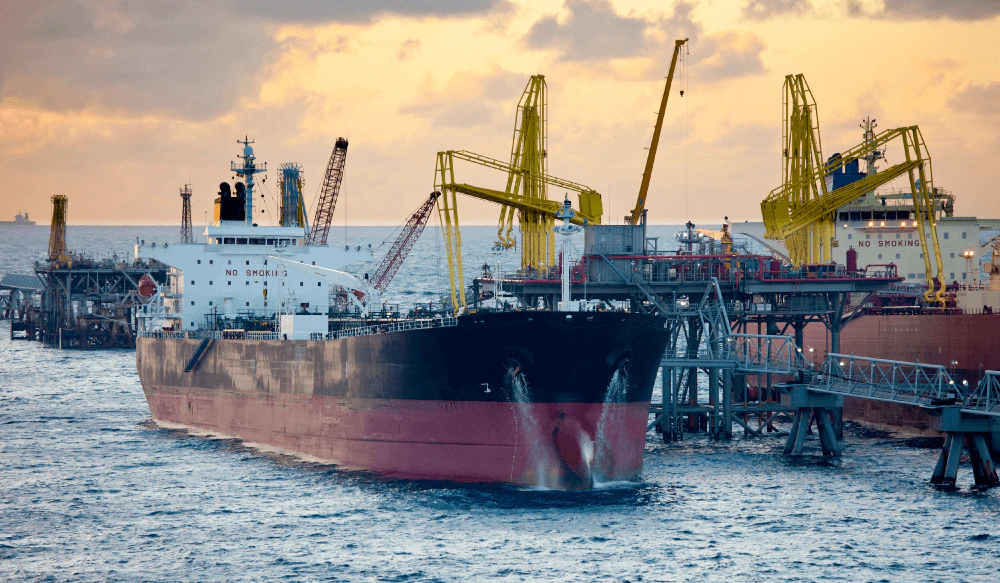
AI Valuations and the Anthropic IPO
AI has helped keep stock markets strong, but investors are starting to question whether some AI companies have become too expensive. The expected Anthropic IPO could be an important test of this confidence, as strong demand at a high valuation could support AI, technology and semiconductor stocks.
However, if the IPO struggles, investors may become more worried about high AI valuations and sell other technology stocks as well. With major indices now heavily influenced by a small number of AI-related companies, Anthropic could become an important test for the wider AI trade.
What Could Move the Dow Jones?
Strong earnings and continued AI investment could support stocks, especially if major IPOs go well. But high inflation, higher rates, rising bond yields and another jump in oil prices could all create pressure.
What Could Move the Nikkei 225?
The Nikkei is likely to be driven by the BOJ, the yen, oil prices and global AI demand. A weak yen can help Japanese exporters, while strong AI and semiconductor demand can support technology stocks. On the other hand, faster BOJ rate hikes could strengthen the yen and reduce that benefit.
Higher oil prices are also a risk because Japan imports a large amount of energy. This can increase costs for both companies and consumers.
What Could Move USDJPY?
USDJPY is mainly about the difference between U.S. and Japanese interest rates. If U.S. rates stay high and Japanese rates remain much lower, USDJPY could stay supported. If the BOJ raises rates faster while the Fed becomes less likely to raise rates, the yen could strengthen and USDJPY could fall.
Japanese authorities may also become more concerned if the yen weakens too quickly, adding another risk for long USDJPY positions.
What Could Move Gold?
Gold is being influenced by several themes at once. Higher U.S. rates can pressure gold, but concerns about U.S. debt, inflation and geopolitical risk can support it. This is why gold can sometimes stay strong even when interest rates are high.
What Could Move WTI?
For WTI, Iran remains the biggest risk. More fighting or further disruption to oil shipping could push prices higher quickly. Better relations, more supply or improved shipping could push prices lower. WTI is also worth watching even for traders who never trade oil because a large move in oil can change inflation expectations. That can then affect interest rates, the dollar, gold and stock markets.
Watch the Bigger Market Themes
The main themes for the rest of 2026 are closely connected. Higher oil prices can push inflation higher and keep interest rates elevated, while BOJ rate hikes can strengthen the yen and pressure Japanese stocks. At the same time, U.S. debt concerns can move bonds and gold, while changing confidence in AI valuations could have a large impact on global stock markets.
This is why traders should look beyond individual headlines and ask a simple question: does this news make the bigger market themes stronger or weaker?
Inflation, interest rates, oil, the yen, U.S. debt and AI will all be important, but traders do not need to predict every move. Understand the themes, watch how the market reacts, and wait for price action to confirm the opportunity.