
Nick Goold
Oil is one of the most important drivers in global financial markets. For FX and CFD traders, crude oil is not just another commodity — it has a big influence on currencies, stock indices, inflation expectations, and safe-haven assets like gold. Oil also affects growth expectations and global risk sentiment, which are key forces behind many large market moves.
When oil prices spike because of geopolitical events — such as tensions involving Iran, the United States, and Israel — the impact spreads across many markets. These situations can create strong volatility and opportunities for traders who have a clear strategy and are prepared.
Why Oil Prices Matter So Much
Oil is still the world’s main energy source. It powers transportation, factories, agriculture, and global supply chains. Because of this, large moves in oil prices can strongly affect the global economy.
When oil prices fall, it works like a tax cut for the world economy. Businesses face lower costs and consumers spend less on energy. When oil prices rise sharply, the opposite happens — costs increase across the economy.
For traders, this creates several important macro effects. Higher oil prices often push inflation higher because energy costs feed directly into consumer prices. This can increase expectations that central banks may keep interest rates higher for longer.
Oil-importing economies can struggle when crude rises. Countries such as Japan and many European nations often see their trade balances worsen, which can weaken their currencies and stock markets.
Oil-exporting economies may benefit. Countries such as Canada and several Middle Eastern and Latin American economies can see stronger currencies and equity markets when oil prices rise.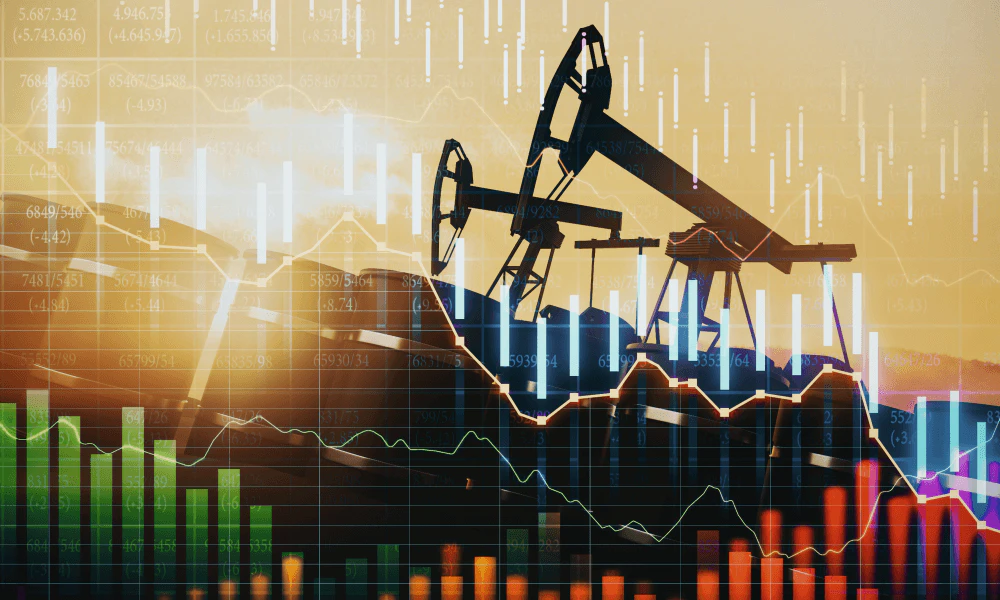
The Iran Conflict and the Oil Shock
The recent rise in oil prices has been driven by tensions in the Middle East. Iran is very important in the global oil market for two main reasons. First, it sits next to the Strait of Hormuz, one of the most important oil shipping routes in the world. About 20% of the world’s oil supply passes through this narrow waterway. If conflict threatens shipping in this area, markets quickly price in the risk of supply disruption.
Second, Iran itself has some of the world’s largest oil and gas reserves and is an important energy producer. Because of this, tensions involving Iran can quickly affect global energy markets and push oil prices higher.
As tensions increased at the start of March 2026, oil markets quickly reacted. Crude oil prices rose above $100 per barrel, much higher than earlier forecasts that expected oil around $60 in 2026 because of extra supply. Some analysts now warn oil could rise toward $150 per barrel if shipping through the Strait of Hormuz is disrupted or if the conflict becomes larger.
Oil and USD/JPY: Stagflation vs Safe Haven
One interesting market reaction has been the move in USD/JPY. Normally, geopolitical risk makes investors buy the Japanese yen as a safe-haven currency. However, this time the yen has weakened, pushing USD/JPY toward 158–159.
Higher oil prices increase inflation concerns in the United States and support the US dollar.
As a result:
- US Treasury yields have moved higher
- The market has reduced expectations for Federal Reserve rate cuts
- Investors expect US interest rates to remain higher for longer
At the same time, Japan imports most of its energy, making it vulnerable to rising oil prices.
When oil prices rise:
- Japan’s import bill increases
- The trade balance worsens
- Economic growth can slow
This combination of a stronger dollar and a weaker yen can push USD/JPY higher even during periods of geopolitical tension.
Oil, the Dow, and the Nikkei
Oil shocks can also affect stock markets, especially major indices like the Dow Jones and the Nikkei 225. When oil prices rise, company costs increase and investor sentiment can become more cautious.
Dow Jones
For the Dow Jones, higher oil prices can create pressure on stocks because many companies face higher costs, especially:
- Transportation
- Industrial manufacturing
- Consumer companies
When energy costs rise, companies may see lower profits. Consumers also spend more on energy and have less money for other goods, which can slow economic growth.
Higher oil prices can also push inflation and bond yields higher. This can pressure stock prices because:
- Higher yields reduce stock valuations
- Some investors move money from stocks to bonds
Nikkei 225: The Energy Importer Trade
Japan imports most of its energy, so higher oil prices can create challenges for the economy.
Rising oil prices can:
- Worsen Japan’s trade balance
- Increase costs for Japanese companies
- Reduce household purchasing power
This can slow economic growth while inflation rises, which can put pressure on the Nikkei index.
Oil and Gold: Crisis Hedge vs Dollar Strength
Gold often reacts strongly when oil prices rise because of geopolitical conflict.
Higher oil prices and war risks can support gold in two main ways:
- As a safe-haven asset during global tensions
- As an inflation hedge when energy prices rise
However, the relationship is not always simple. If rising oil pushes US inflation higher, US bond yields and the dollar may also rise, which can limit gold’s gains.
Because of this, gold often follows a pattern during crises: it spikes higher on war news, then pulls back when the dollar and yields rise. For traders, this can create volatile two-way trading conditions.
Trading Strategy: Expectations and Volatility
Markets Trade Expectations, Not Just News
During geopolitical events like the Iran conflict, markets can move extremely quickly. However, traders should remember that markets trade expectations, not just headlines.
Wars and geopolitical tensions can escalate suddenly, but they can also calm down quickly if diplomacy or political decisions change the outlook. With leaders like Trump involved, statements or policy shifts can quickly change how traders view the situation.
Because of this, markets often overreact in both directions.
Large moves driven by fear or panic can reverse quickly once expectations change.
Avoid Chasing Panic Moves
When oil, currencies, or indices move sharply after news, it can be tempting to follow the momentum.
However, these moves are often emotional reactions rather than stable trends.
One approach is to look for panic moves where price extends too far too quickly, and consider trading against the move.
This strategy requires strict risk control:
- Use small positions
- Place tight stop losses
- Be willing to accept several small losses
When the market eventually reverses, the reward can be much larger than the risk.
Be Patient if Trading the Trend
Traders who prefer to follow the trend should focus on patience.
During volatile periods, markets rarely move in straight lines. Sharp moves are often followed by pullbacks before the trend continues.
Waiting for better entry points — such as pullbacks to support or resistance — can improve risk-reward compared with chasing breakouts.
Technical Analysis Still Works
Even when markets are moving because of geopolitical news, technical analysis remains useful.
Many traders still watch:
- Moving averages
- Support and resistance levels
- Previous highs and lows
These levels often act as important decision points for the market, even during volatile periods.
Combining macro understanding with technical levels can help traders find better entries and manage risk more effectively.
Why Oil Matters for Traders
Oil is one of the most important drivers of the global economy. Because energy costs affect transportation, manufacturing, and supply chains, large moves in oil prices often ripple across inflation, interest rates, currencies, and stock markets. For FX and CFD traders, understanding oil helps explain moves in assets like USD/JPY, the Dow, the Nikkei, and gold.
Periods of geopolitical tension and rising oil prices can create strong trading opportunities, but they also bring higher volatility. Successful traders stay disciplined, avoid chasing panic moves, and focus on clear setups with proper risk management.