
Nick Goold
Financial markets are often shown in a way that feels hard to follow, but the main idea is clear. Prices move because of the balance between buyers and sellers. When buyers are stronger and willing to pay higher prices, the market goes up. When sellers are stronger and willing to accept lower prices, the market goes down. Every move on a chart is simply showing who is in control at that moment.
This matters because it helps you understand why the market is moving, not just what it looks like after it has moved. Instead of focusing only on indicators, it’s more useful to think about:
- who is in control right now—buyers or sellers
- how strong that control is
- where that control might change
When you start looking at the market this way, charts become much easier to read and make more sense.
Why Traders Get Distracted by Indicators
Indicators can make trading feel easier. They provide signals like:
- Overbought / oversold
- Buy or sell crossovers
- Trend direction
But all indicators are created using past price data. They are a calculation based on what has already happened.
This means:
Indicators react to price—they do not lead it
When traders rely too much on indicators, they often enter trades late or miss the real reason behind the move.
For example:
- Price may already be falling strongly
- The indicator gives a sell signal after the move has started
At that point, the best opportunity may already be gone.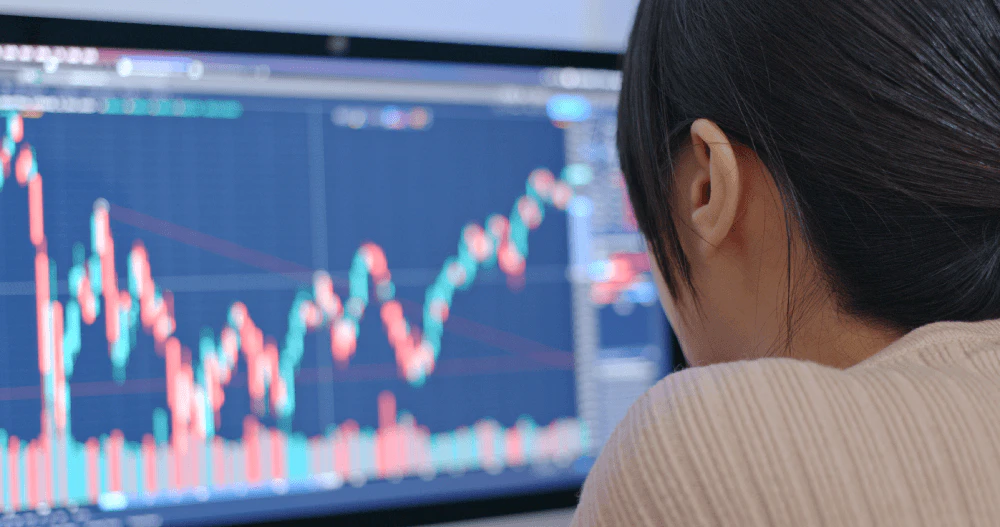
When Indicators Can Still Be Useful
Indicators are not useless—they can help you understand how traders see the market. They give you a way to judge the trend and spot overbought or oversold levels. For example, many traders watch the 200-day moving average. If price moves below it, they see a downtrend and start selling, which can push price lower.
Indicators work because traders act on them. But they should be used as a guide, not something to rely on completely.
They can help you:
- see the trend
- spot overbought or oversold areas
- understand how others may react
If you rely only on indicators, you miss what price is really doing. Use them together with price action.
Why Price Is the Most Important
No matter what strategy traders use, they all make decisions based on price.
- A bank trader places large orders at specific prices
- A retail trader enters when price reaches a level
- A system executes trades at a set price
Price is:
- The same for everyone
- The result of real money being traded
Price shows exactly what the market is doing right now
Fundamentals can explain the reason behind a move, and indicators can help confirm it, but price tells you when something is actually happening.
Real Market Examples: Understanding Price Behavior
Markets often react strongly around key price levels where many traders make decisions.
Gold and the $5,000 Level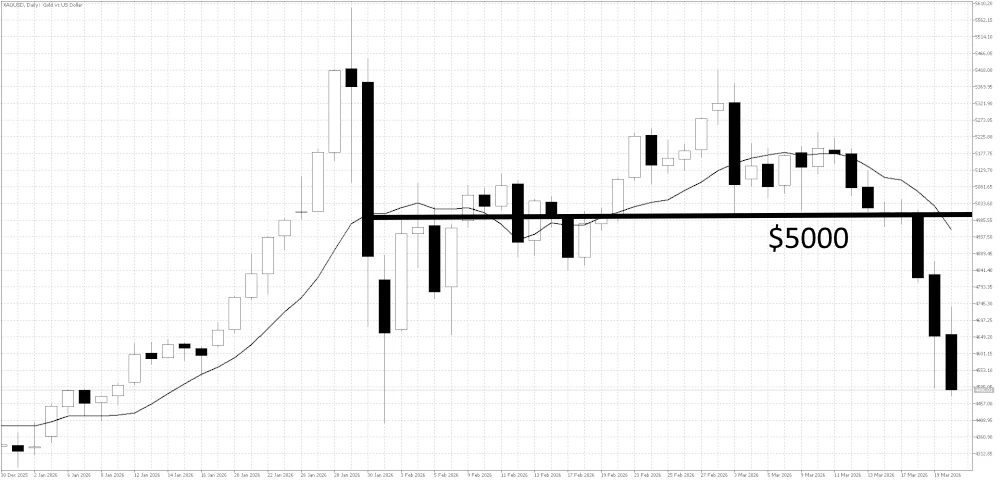
Gold was trading around $5,000, but even with the Iran conflict, it didn’t move higher.
Price is driven by more than one factor
- The U.S. dollar was strong
- US Interest rate expectations were rising
When price broke below $5,000:
- Sellers became more confident
- Stop-losses were triggered
- Buyers stepped back
Result: a sharp drop
Key levels act as decision points for traders
Oil and the $100 Level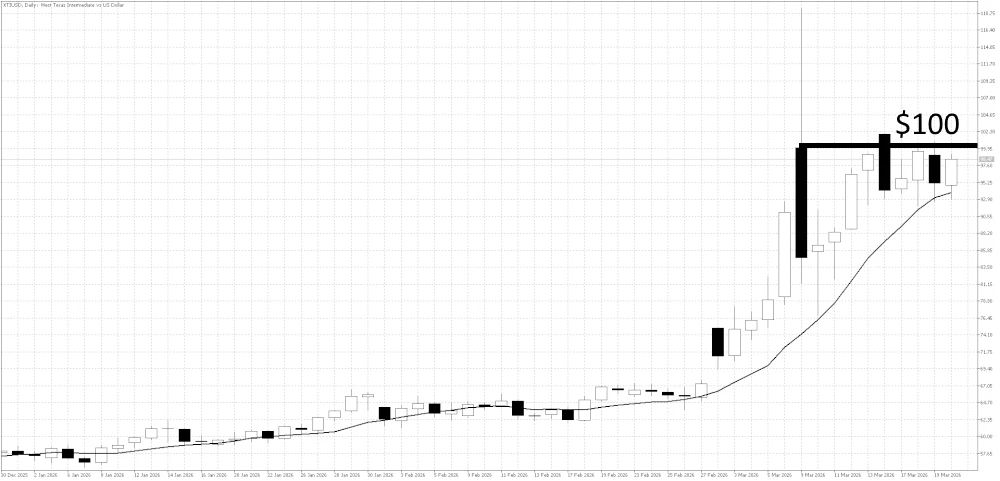
Oil moved quickly above $100 due to supply concerns, then slowed.
$100 became a level where sellers stepped in
- It is a round number
- Many traders watch it
At $100:
- Traders take profit
- Others sell
- Buying slows
If price breaks above:
- Buyers are stronger
- Price can move higher
Price levels show shifts between buyers and sellers
USD/JPY and the 160 Level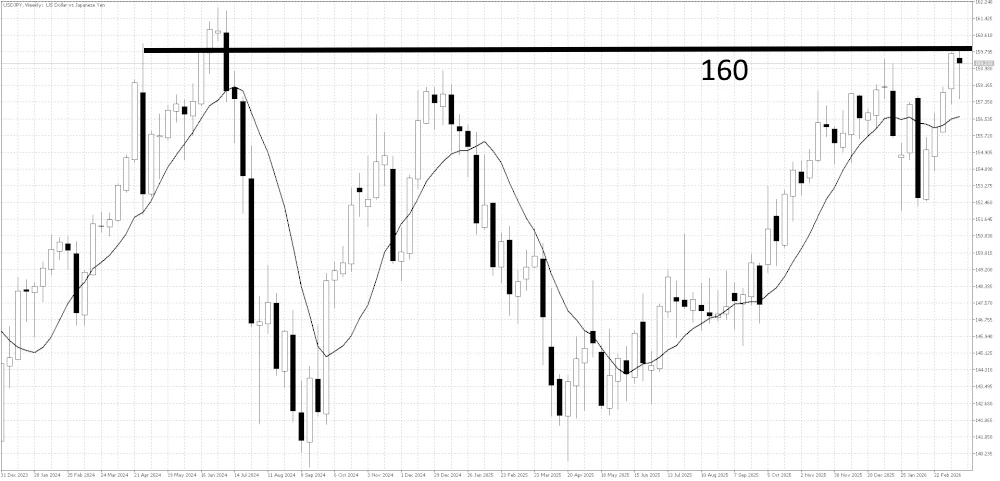
USD/JPY has been rising due to global factors:
- Higher oil → higher U.S. inflation expectations
- Supports higher U.S. interest rates
- Stronger U.S. dollar
- Higher oil hurts Japan’s economy
Now the focus is on 160, where traders expect possible Bank of Japan intervention
As price nears 160:
- Buyers become cautious
- Sellers become more active
Price reflects expectations and risk, not just past moves
How to Find Important Price Levels
Understanding where traders are likely to act is key.
1. Look at Historical Price
Focus on areas where price:
- reversed strongly
- moved sideways for a long time
- stopped multiple times
These show where a lot of trading has happened before.
2. Pay Attention to News
If certain levels are often mentioned in:
- news
- market analysis
it means many traders are watching them.
3. Observe Market Behavior
If price keeps reacting to the same level, it becomes more important over time.

Simple Price-Based Trading Ideas
Support and Resistance
At support → buyers often step in → look for buy opportunities
At resistance → sellers often step in → look for sell opportunities
Trade near these levels with clear stop-losses just beyond them
Breakouts
When price breaks a key level strongly → control is shifting
Trade in the direction of the break, not against it
Multiple Tests
If a level is tested many times → it gets weaker
Be ready for a breakout after repeated tests
Range Trading
When price moves between two levels → market is balanced
Buy near the bottom of the range, sell near the top
Focus on Price to Understand the Market
Focusing on price helps you see where traders are active and where decisions happen. Instead of waiting for signals, you react to clear levels, which makes trading easier and more consistent. A simple approach is to combine tools: use price to decide where to trade, fundamentals to understand why the market is moving, and indicators for extra confirmation.
Markets move because of buyers and sellers making decisions at key levels. Indicators can help, but they are not the main focus. There are many indicators and many opinions, but only one price. If you understand price, you understand the market.